How to design a controlled corrective action process (CAPA)
Managing corrective actions effectively
Standards, regulators and customers may require organizations to demonstrate that issues are recorded, causes are investigated and corrective actions are completed and reviewed. Responsibility for meeting those requirements remains with the organization.
ISO 9001:2026, AS9100D, IATF 16949:2016 and ISO 14001:2026 all include expectations relating to nonconformity and corrective action. A structured CAPA process can help teams maintain records, ownership, evidence and effectiveness reviews that support those management systems.
Controlled corrective action process
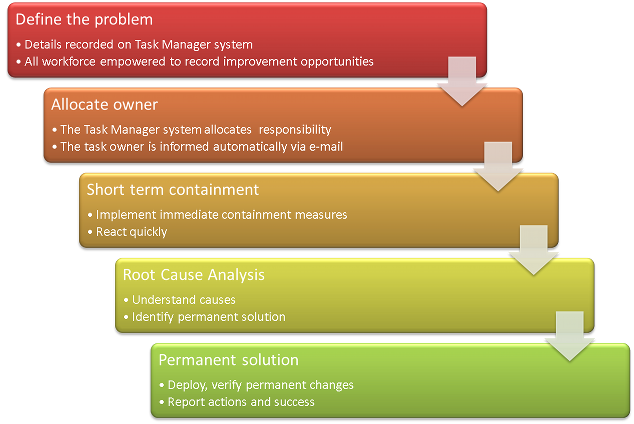
Most organizations follow similar corrective action steps with or without a dedicated system. Gaps can arise from inconsistent process control, inadequate records or unclear responsibility. The basic corrective action process steps are described below:
How software can support a controlled CAPA process
A CAPA process can be managed manually using paper forms or spreadsheets, but those methods can become cumbersome as record volumes and responsibilities grow. Software does not make an organization compliant by itself. It can help people apply the defined process consistently and keep supporting evidence together.
- Consistent corrective action records
- Clear ownership, target dates and status
- Traceable approvals, evidence and effectiveness checks
Good corrective action systems will be adopted easily
Well-designed systems can be easier for teams to adopt. CAPA Manager supports controlled corrective action workflows and audit-ready records, while your organization remains responsible for procedures, training, validation and compliance decisions.